
ABOUT US
A PORTION OF MY STORY
I wasn’t the most talented younger kid on the field. I wasn’t the fastest. I wasn’t the strongest. I wasn’t the most skilled. I wasn’t the one everyone picked first. I was the quiet kid standing near the fence, hoping someone would call my name.
Growing up in California, soccer was everything. If you were good, you had status. If you weren’t, you were invisible. And for a while, I felt invisible. I played defense because that’s where they put the kids who couldn’t score. I remember swinging and missing in front of everyone. I remember letting goals in. I remember walking home frustrated, wanting to be better but not knowing how.
Ironically, soccer entered my life as punishment. As a young kid during the 1994 World Cup, if I misbehaved, my dad would make me sit and watch full matches with him. It was a dreadful neverending experience.I didn’t understand what was happening, the game looked slow and boring and as if it took forever. The attention span of a 7 year old kid is already limited. Just imagine sitting him through a 90 minute game when he doesn’t like the game, much less know what to look for.
But my dad loved the game. After church pickup games, we would sit in the car and he would break everything down. Where I should have moved. When I should have passed. What I didn’t see. At first it felt like criticism. But slowly, something changed. The game began to slow down. I started noticing space. I started recognizing patterns before they unfolded. I started to apply the things my dad would be a stickler on. I began to score goals and get better. I played better in elementary and middle school games. I was now getting picked earlier and having a better time playing.
At U14, playing club soccer, something clicked fully. In one match, I scored four goals playing as a forward instead of a wing, deputizing for the usual starter up top. This didn’t happen because I was the fastest player on the field, but because I started arriving in the right places at the right time. I understood when to check. When to spin. When to delay. When to attack space. That game wasn’t about talent. It was about understanding. And understanding changed everything.
THE CHAMPIONSHIP MOMENT
I played three years of varsity soccer in high school, four if you count guest playing on varsity from the JV team as a freshman. I was the stop scorer as a freshman in JV and I would be pulled up for varsity games. My high school team was the stereotypical one to dominate early and to choke when games mattered most. My senior year, however, we made a run no one expected. We won our local winter tournament for the first time. We won our league for the first time in years. Then we were the #1 seed at the NCS CIF regionals in Northern California, a tournament that we would often make and always choke on.
We made the championship game at our home field and the final went to penalties. I was assigned the fifth shot to hopefully win it all, but my teammate who shot before me missed his kick and now I had to score my shot simply to keep our team in the running. If I missed, it was over. What most people didn’t know was that I had a fractured leg. Every plant hurt. Every strike sent pain up my body. I placed the ball, I took a breath, I struck it low and firm to the goalkeeper’s right side: Goal. The opponents missed their next kick, and then my teammate scored his next shot as we won our first regional title in school history.
Around that time in high school I received invitations to try out for the ODP team, or Olympic Development Program that every state has and that used to be a much more prestigious program at the time. I had also received opportunities in the mail to train abroad, including an opportunity to train in the Netherlands (a powerhouse country in world soccer). I actually declined all of those opportunities, but I knew I wasn’t just participating anymore. I had become a better player. But I wasn’t born that way. I was developed that way.
THE CROSSROADS
College was coming up after high school, but I didn’t actually want to pursue college soccer. I was the first in my family that had the opportunity to attend college. Coming from a poor family that needed a lot of help to get by and that went through a lot of difficulties, just the thought of getting into college and pursuing something in higher education to open future doors meant more than any thought of playing soccer in college. I also wanted to go on an LDS mission and cared more about that at the time.
So I chose a different path. I chose to prioritize education, faith, and long-term life goals over chasing the next level of soccer competition. That decision wasn’t about doubt, it was about clarity. Soccer had already given me something deeper than status or recognition. It had given me understanding, discipline, resilience, and a bond with my father (who was often otherwise absent from my life) that shaped who I became. I didn’t need to chase the next badge to validate that. And in many ways, that decision freed me. Because when I tore my ACL later on, my identity wasn’t tied only to playing. It pushed me deeper into studying the game, not just competing in it. And that shift is what ultimately led to Soccer That Makes Sense.
THE INJURY THAT CHANGED EVERYTHING
In college I still played soccer with friends and in the local college league, including games with many high level players who grew up playing soccer around the world. And then I tore my ACL. The player who once relied on explosiveness had to sit still. Rehab is humbling. Watching instead of playing is humbling. But it changed my relationship with the game.
When I couldn’t rely on speed, I had to rely on intelligence. I began studying the game and world class coaches obsessively. I studied how Arsène Wenger developed intelligent, technical players. I analyzed Pep Guardiola’s positional structures and spacing principles. I was drawn to the tactical clarity of Ricardo La Volpe. I admired Marcelo Bielsa’s intensity and commitment to structure.
I didn’t just want to know what worked. I wanted to understand why it worked. That pursuit of understanding reshaped me, first as a player, then as a coach. That’s when soccer truly made sense. And when the game makes sense, everything changes. Confidence changes. Decision-making sharpens. The game slows down. Growth accelerates.
15+ YEARS OF DEVELOPMENT
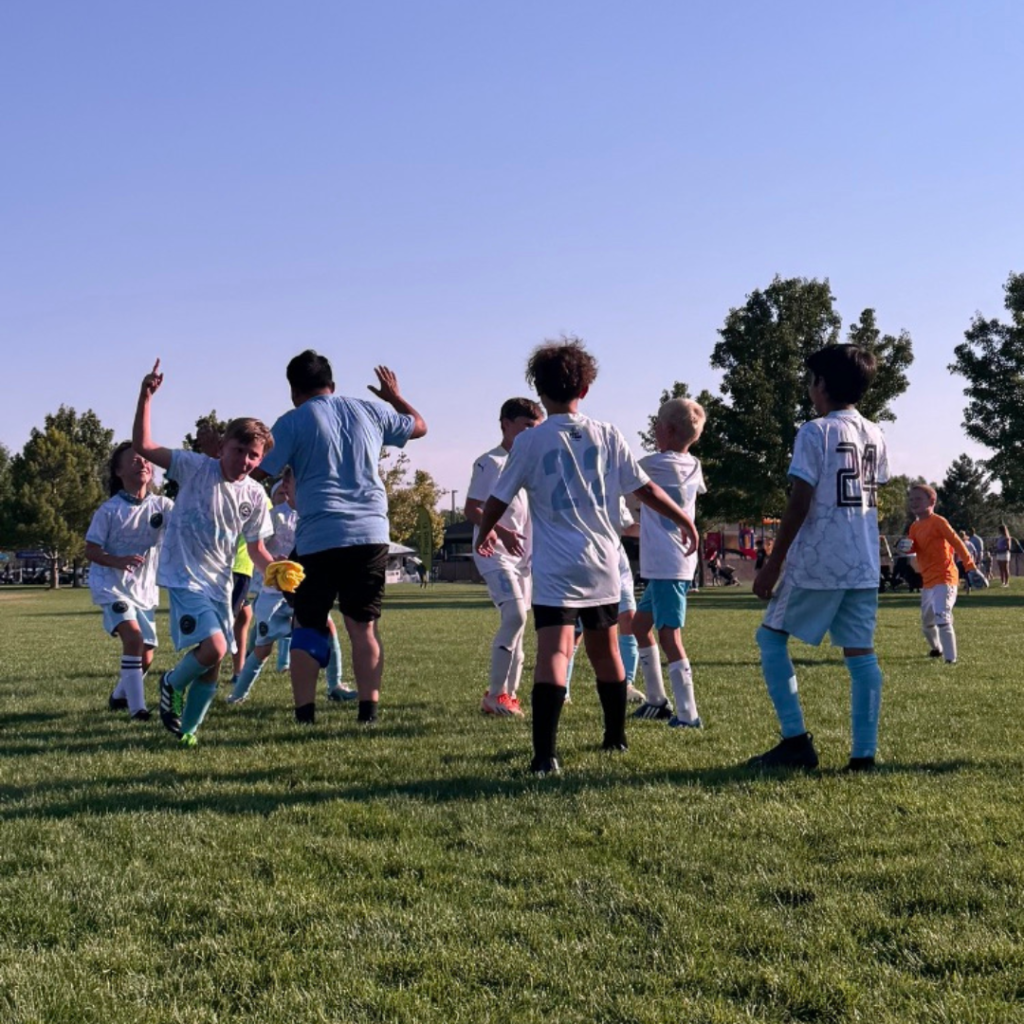
I’ve now coached for over 15 years at the club and high school levels. And what I care about most is development. Many of the players I’ve worked with weren’t stars when they started. They were B team players, C team players, late bloomers, players overlooked by others.
Over time, more than 200 of the players I’ve coached have moved on to higher levels. Premier teams, high school varsity, platform leagues, and college programs. Not because they were handed opportunities. Because they learned to understand the game. When you build players properly, technically, tactically, mentally, physically, and emotionally, they rise. Sometimes beyond what anyone expected.
WHY SOCCER THAT MAKES SENSE EXISTS
I know what it feels like to doubt yourself. I know what it feels like to want to improve but not know how. Soccer gave me confidence when I didn’t have it. It strengthened my relationship with my father. It taught me resilience. It shaped my identity.
Soccer That Makes Sense exists because too many players are told what to do, but not taught why. Too many trainers focus on drills without building understanding. Too many coaches rely on natural talent instead of developing it. Too many recruiters our there, and too few builders and educators of the game. I don’t build shortcuts. I build players.
If your player is serious about improving, not just playing, this is the place. If they are willing to work, I will teach them how to see the game differently. And when soccer makes sense, growth stops being accidental. It becomes intentional. And intentional growth lasts.
CREDENTIALS & EXPERIENCE
- 15+ years coaching club and high school soccer
- USSF National C License
- Former 3.5-year varsity player
- Northern California NCS Regional Champion (Senior Year of High School)
- Received multiple ODP tryout invitations and invites for overseas training opportunities as a teenager
- 200+ players developed to higher competitive levels
- 35 coaches mentored directed
EXPERIENCE THAT SHAPES
OUR TRAINING
Over 15 years of coaching experience, over 200 players have progressed significantly through the training approach used here, moving into higher divisions, high school programs, college soccer and competitive pathways.
Along the way, 35 coaches have been mentored, helping them grow their knowledge of the game and improve how they teach and develop their own teams. 15 teams have advanced divisions when the right training and process was in place.
The focus has always been the same: consistent training where details matter, where we look to improve every area of the player’s game, and creating an environment where players become emotionally invested to give the best they can. No hype. No piggybacking off the talent of players who are already good. Just steady, gradual progress.
SCHEDULE A FREE EVALUATION
Soccer That Makes Sense is for players who want to improve in a meaningful way, and for parents who value long-term development over shortcuts. We meet players where they are and help them grow in a way that makes sense. Book a free session to see for yourself.